Open Access Solar Policy in Gujarat Explained
Commercial Solar Energy: The Complete Guide for Businesses in India
Published: July 2026

Introduction
India is rapidly transitioning toward renewable energy, with solar power leading the transformation. Rising electricity prices, supportive government initiatives, and improved photovoltaic technology have made solar energy one of the smartest long-term investments for businesses, industries, educational institutions, hospitals, and residential communities.
A commercial solar installation is no longer simply an environmentally conscious decision. It is a strategic business investment that reduces operational costs, strengthens energy independence, and improves sustainability performance. Organizations adopting solar energy today are preparing themselves for a future where clean energy is the standard rather than the exception.
Why Businesses Are Choosing Solar
Electricity represents one of the largest recurring expenses for commercial facilities. Solar power significantly reduces dependence on the conventional grid while providing predictable energy costs for more than 25 years.
- Reduce electricity bills by up to 80%
- Generate clean renewable energy
- Increase property value
- Meet ESG and sustainability goals
- Minimal maintenance requirements
- 25+ year system lifespan

How Solar Panels Work
Solar panels contain photovoltaic cells that convert sunlight directly into electricity. The generated Direct Current (DC) electricity passes through an inverter where it is converted into Alternating Current (AC), making it suitable for commercial equipment and machinery.
| Component | Purpose |
|---|---|
| Solar Panels | Capture sunlight |
| Inverter | Convert DC to AC |
| Mounting Structure | Support panels |
| Monitoring System | Track performance |
| Net Meter | Measure import/export electricity |
Financial Benefits
Commercial solar projects usually recover their investment within a few years depending on system size, electricity tariff, financing model, and location. After the payback period, the generated electricity is effectively free except for routine maintenance.
Solar energy is not merely an environmental initiative—it is a long-term financial asset capable of generating measurable savings year after year.
Government Policies
The Government of India and various state governments continue to encourage renewable energy adoption through net metering, open access policies, and supportive regulatory frameworks. Businesses should regularly review the latest state-specific regulations before planning an installation.
Best Practices Before Installation
- Conduct an energy audit.
- Assess available roof or land area.
- Select Tier-1 solar modules.
- Choose experienced EPC partners.
- Implement remote monitoring.
- Schedule preventive maintenance.

Frequently Asked Questions
How long do solar panels last?
Most premium solar panels have an expected lifespan of 25–30 years with gradual efficiency reduction over time.
Do solar panels work during cloudy weather?
Yes. Output decreases, but panels continue generating electricity using diffused sunlight.
How much maintenance is required?
Routine cleaning, periodic inspections, and inverter monitoring are generally sufficient.
Is commercial solar suitable for every business?
Most businesses with significant daytime electricity consumption benefit from commercial solar installations, especially manufacturing facilities, warehouses, offices, hospitals, schools, and shopping complexes.
Conclusion
Commercial solar power has become one of the most practical investments available to Indian businesses. By lowering electricity expenses, improving sustainability, and protecting organizations against future energy price increases, solar installations provide long-term economic and environmental value.
Whether you are planning a rooftop installation or a large ground-mounted project, working with experienced professionals ensures proper system design, high-quality components, regulatory compliance, and maximum return on investment.
Related Insights

The Future of Commercial Solar: Trends to Watch in 2026
As commercial solar adoption accelerates, we explore the key technological and policy trends shaping the industry.
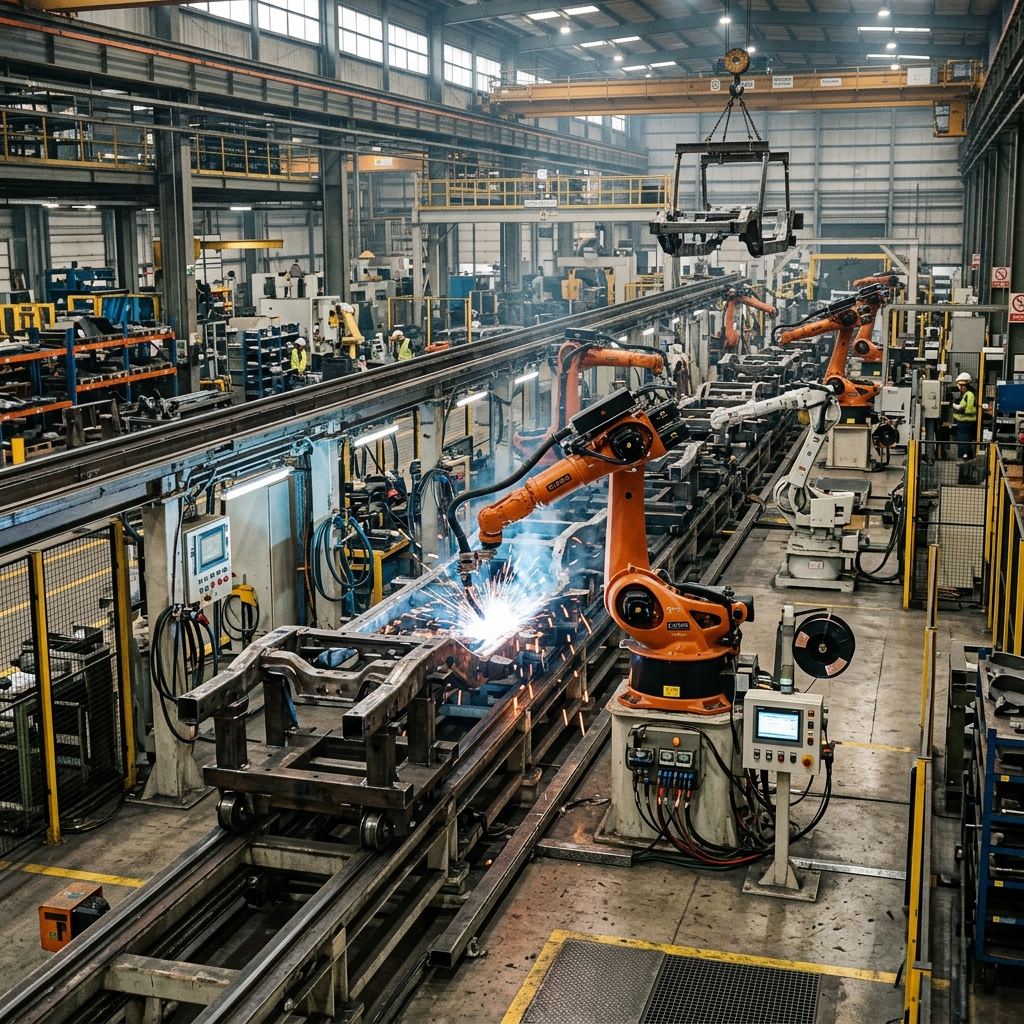
Maximizing ROI on Industrial Solar Investments
A comprehensive guide for facility managers looking to optimize the financial returns on large-scale solar installations.

Integrating Battery Storage with Rooftop Solar
How battery energy storage systems (BESS) are transforming commercial solar viability for round-the-clock operations.